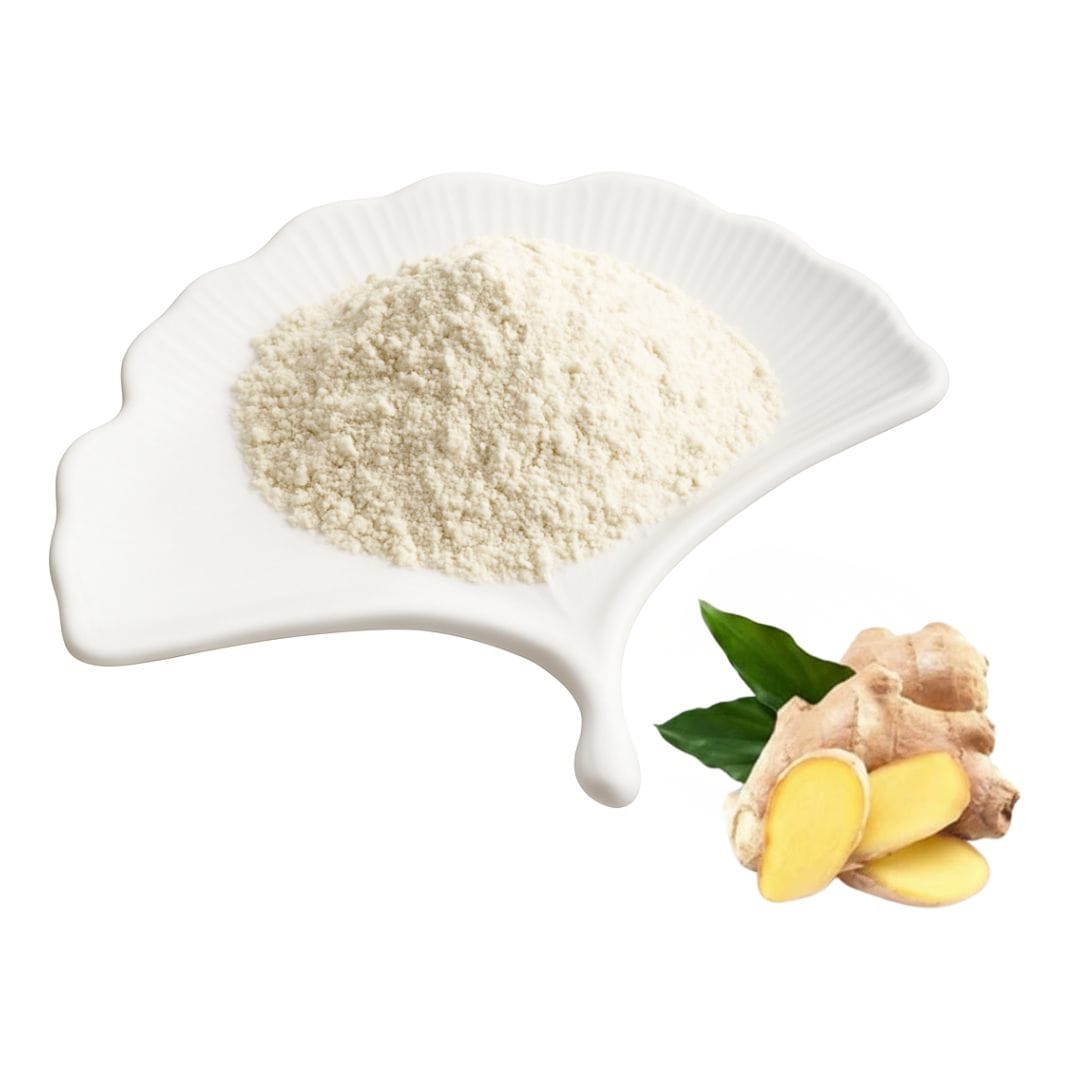
What Is Ginger Juice Powder?
Ginger juice powder is a dehydrated form of ginger juice, derived from fresh ginger root. It is produced by extracting the juice from ginger and then drying it to create a concentrated, shelf-stable powder.
ADVANTAGES OF GINGER JUICE POWDER
Managing nausea
Ginger can alleviate gastrointestinal issues by relaxing the smooth muscle in your gut lining, aiding the movement of food through the digestive system. This ensures proper digestive function and overall well-being. Many individuals use ginger to help manage chronic digestive problems.
Anti-inflammatory
Ginger is renowned for its anti-inflammatory properties, which can help alleviate inflammatory conditions such as gastritis, esophagitis, and hepatitis. It also provides relief for arthritis and rheumatism, reducing both pain and inflammation. Its effectiveness may be comparable to that of many non-steroidal anti-inflammatory drugs (NSAIDs).
Pain reducer
Ginger can help relieve pain. The gingerol in ginger acts on vanilloid receptors located on sensory nerve endings, affecting pain pathways and reducing inflammation that causes pain. Since ginger is as effective as some NSAIDs, it also serves as a natural pain reliever.
Preventing stroke and heart disease
Ginger is a remarkable superfood with significant benefits for your cardiovascular system. It has been shown to prevent blood clots, lower cholesterol, and reduce blood pressure. These combined effects help prevent major cardiovascular issues like stroke and heart disease. Incorporating ginger powder into your diet can greatly enhance your overall health.
Immune system boost
Ginger is highly effective at boosting the immune system and combating bacterial infections. Research has demonstrated that ginger can kill Staphylococcus aureus and Streptococcus pyogenes, bacteria commonly found in hospitals that can complicate the health of immunocompromised individuals. Consuming ginger before medical procedures can provide a substantial immune boost and protect against bacterial attacks.
Fungal infection treatments
Consuming ginger can help treat yeast infections and skin fungus. A simple natural remedy involves mixing ginger powder with water to form a paste. Apply the mixture to the affected area with a cotton swab, let it sit, then wash it off. Repeat daily until the fungus clears. This all-natural treatment is surprisingly effective and easy to prepare.
Amaranth Leaf Powder
Amaranth leaf powder is derived from the leaves of the amaranth plant, known for its edible and highly nutritious leaves.
Organic Coconut Water Powder
Organic coconut water powder is a very healthy product for human growth and offers significant health benefits.
Broccoli Juice Powder
Extracts China's Broccoli Juice Powder is a premium, all-natural supplement packed with nutrients and antioxidants that support overall health and wellness.
Irish Moss Powder
Irish Moss Powder is often used as an emulsifier in food production like chocolate milk, as well as in medicines, soaps, cosmetics, leather accessories, and cloth (glaze).
Freeze Dried Raspberry Powder
Extracts China's Freeze Dried Raspberry Powder is made from premium quality raspberries and processed using advanced freeze-drying technology.
Red Cabbage Juice Powder
Extracts China's Red Cabbage Juice Powder is a high-quality natural ingredient made from fresh red cabbage juice, highly water-soluble.
Organic Beetroot Juice Powder
Organic beetroot juice powder contains naturally high levels of nitrates, along with other vitamins, minerals, and antioxidant properties.
Pure Almond Powder
Extracts China's pure almond powder is derived from high-quality almonds, known for their rich nutritional profile and health benefits.
Organic Rice Milk Powder
Organic rice milk powder is made from 100% Non-GMO rice, partially hydrolyzed and spray-dried. It is a pure rice product without additives, easy to digest and absorb.
WHY CHOOSE US
Reliable product quality
To ensure product quality, we have our own raw material planting base, guaranteeing a safe supply and consistent high-quality raw material.
Highly skilled technical team
We employ a professional team of natural product chemists, pharmacognosists, microbiologists, and herbalists. Whether you need organic extracts, plant extracts, essential oils, or organic herbal extracts, we are your one-stop source for premium quality.
Advanced equipment
We own an 800-square-meter GMP factory and an inspection center equipped with over 10 sets of HPLC, GC, IR, and mass instruments. All tests are conducted strictly by experienced laboratory staff to ensure product quality before shipping.
Process report throughout
We are ISO 9001, HACCP, Kosher Halal, and food production license certified, adhering to world-class standards. Traceability, production processes, and regulatory affairs are executed strictly to ensure consistent quality and stable compounds.
How to Make Your Own Ground Ginger
Peel fresh ginger root
If you're making your own, use 2-4 roots, but the amount is up to you!
Slice
Thinly slice the ginger with a knife or mandoline.
Bake at 140ºF for 3 hours
Arrange slices on a baking sheet without overlapping. Place on the lowest oven rack at the lowest temperature (around 140ºF). Dry for about 3 hours, checking often to prevent burning. Ginger is done when it snaps when bent.
Cool, then grind into a fine powder
Transfer cooled, dried ginger to a food processor or spice grinder and grind into a fine powder.
Sift, then grind again
Sift through a fine mesh sieve, re-grind, and store in an airtight container. Properly stored, it lasts up to 6 months.
THE MAIN REASONS FOR USING DRIED GINGER POWDER INSTEAD OF FRESH GINGER IN COOKING INCLUDE
Shelf-life
Dry ginger powder has a much longer shelf-life than fresh ginger, lasting several months or years, while fresh ginger root lasts only a few weeks.
Convenience
Dry ginger powder is easier to store, measure, and use in recipes compared to peeling and grating fresh ginger, making it more convenient for dishes requiring small amounts.
Regarding nutritional benefits, fresh ginger generally contains more beneficial compounds than dry ginger powder. Fresh ginger has higher concentrations of volatile oils and antioxidants like gingerol, shogaol, and zingerone, responsible for its flavor, aroma, and health benefits such as reduced inflammation and improved digestion.
During the drying process, some volatile compounds are lost or degraded, resulting in a less potent product compared to fresh ginger. Fresh ginger also retains more water-soluble vitamins like vitamin C, which are diminished in the dried powder.
However, dry ginger powder has some nutritional advantages. The drying process can concentrate certain compounds like gingerol. The powder form is easier to incorporate into various dishes and allows for more consistent dosing compared to variable amounts in fresh ginger.
In summary, fresh ginger is generally more nutritionally beneficial due to higher concentrations of beneficial plant compounds, but dry ginger powder offers advantages in shelf-life, convenience, and consistent dosing.
APPLICATION OF GINGER JUICE POWDER
Culinary uses
Ginger juice powder is a versatile spice used in Asian, Indian, and Middle Eastern cuisines to add flavor and aroma. It enhances savory dishes like stir-fries, curries, and soups, as well as sweet treats like gingerbread, cookies, and cakes. It can also be added to tea, smoothies, and juices for extra flavor.
Digestive aid
Ginger juice powder is believed to stimulate digestive juice production, improving digestion and reducing bloating. It can be added to warm water or tea to soothe an upset stomach.
Nausea relief
Ginger juice powder may help relieve nausea and vomiting, particularly in chemotherapy or surgery patients. It can be added to food, drinks, or taken as a supplement.
Anti-inflammatory and pain relief
Containing anti-inflammatory compounds, ginger juice powder can reduce inflammation and pain. It may aid conditions like osteoarthritis, menstrual cramps, or other inflammatory diseases. It can be consumed in food, drinks, or as a supplement.
Immune system support
Ginger juice powder may boost the immune system, protecting against infections and diseases. It can be added to food, drinks, or taken as a supplement.
Skincare
With anti-inflammatory and antioxidant properties, ginger juice powder can benefit the skin. It can be added to face masks, scrubs, or creams to improve skin appearance.
FUNCTIONS OF GINGER JUICE POWDER
Digestive aid
Ginger is well-known for digestive properties; ginger powder alleviates indigestion, bloating, and nausea by stimulating digestive enzyme production.
Anti-inflammatory
Bioactive compounds in ginger reduce inflammation, aiding joint pain, muscle soreness, and inflammatory conditions.
Immune support
Antioxidants in the powder boost the immune system, protecting against infections and illnesses. Regular consumption may strengthen immune response.
Cold and flu relief
Ginger relieves cold and flu symptoms like cough, congestion, and sore throat. The powder soothes respiratory discomfort and supports respiratory health.
Nausea relief
A natural remedy for nausea, including motion sickness, morning sickness, and chemotherapy-induced nausea. Ginger powder can alleviate nausea and vomiting.
Blood sugar regulation
Some studies suggest ginger helps regulate blood sugar and improve insulin sensitivity. It can support blood sugar management when included in the diet.
Antioxidant properties
Potent antioxidants in ginger protect cells from free radical damage. Regular consumption may reduce oxidative stress and lower chronic disease risk.
Anti-microbial
Ginger's natural antimicrobial properties fight harmful bacteria and viruses, supporting immune health and combating infections.
How to Store Ginger Powder
Ginger powder should be stored in a very cold, dark place, away from direct sunlight and heat sources. After opening, keeping it cool is crucial. Avoid moisture, so the storage area must be dry. Ensure the package is tightly closed after each use, or transfer to a sealed container. Opening ginger powder at room temperature may spoil it faster.
Ginger Powder Storage Attentions
Storing unopened ginger powder in a dark cabinet is ideal. Keep it away from light, heat, and moisture. After opening, storing in the pantry isn't ideal; the refrigerator is better. Over time, quality in the pantry deteriorates; refrigeration slows this process.
The best storage method is the refrigerator, regardless of container status. Cold temperatures reduce oxidation and rancidity, extending shelf life. Transfer to a sealed container after opening to prevent absorbing refrigerator odors. For long-term storage, freezing is excellent, especially for excess powder. For cardboard or plastic bags, refrigerate immediately. For leftovers, add an extra layer of protection by keeping the original container closed and placing it in a resealable freezer bag.
OUR FACTORY
At Extracts China, we are passionate about clean-label food supplements and effective cosmetic raw materials. Our ambitious, hardworking team has dedicated over 5 years to research, development, production, and sales. We supply high-purity herbal extract powders, AD/SD/FD juice and vegetable powders, plant-based protein powders, 100% water-soluble peptides, natural pigments, sweeteners, and qualified chemical ingredients. We own an 800-square-meter GMP factory and an inspection center equipped with over 10 sets of HPLC, GC, IR, and mass instruments.
OUR CERTIFICATES
Our factory holds ISO9001, HACCP, Kosher Halal, and food production license certificates.
FAQ
Q: Is ginger powder the same as ginger?
A: In its dried form, ginger is known as "Saunth" or "Sonth" in Hindi and often used as powder. It is fresh ginger that has been dehydrated and ground, altering its flavor and making it a concentrated spice.
Q: What is ginger powder good for?
A: Eating ginger reduces fermentation, constipation, bloating, and intestinal gas. It contains antioxidants, which manage free radicals that can damage cells.
Q: Is it OK to drink ginger powder everyday?
A: Ginger is safe daily, but experts recommend limiting intake to 3-4 grams (1 gram if pregnant). Over 6 grams daily can cause gastrointestinal issues like reflux, heartburn, and diarrhea.
Q: Who should not take ginger powder?
A: Pregnant or breastfeeding women, individuals with heart conditions or diabetes should consult doctors before taking ginger. Avoid with bleeding disorders or blood-thinning medications, including aspirin.
Q: Can you replace fresh ginger with ginger powder?
A: Yes. For every 1/4 teaspoon of ground ginger, use 1 tablespoon of fresh-grated ginger, as ground ginger is more concentrated.
Q: How much ginger should I take daily for inflammation?
A: For arthritis, experts recommend about 250 mg three or four times daily. Start with a smaller dose, gradually increasing. Do not exceed 4 grams (4,000 mg) daily.
Q: Is ginger raising blood pressure?
A: Studies show ginger can lower blood pressure by acting as a natural calcium channel blocker and ACE inhibitor, similar to medications for hypertension.
Q: What organ does ginger help?
A: Research suggests ginger increases digestive tract movement, relieving constipation. It also benefits pancreatic lipase, aiding small intestine digestion.
Q: Is too much ginger bad for the liver?
A: In over 100 clinical trials, no reports of hepatotoxicity or liver injury were found. Ginger is not listed among herbs causing liver injury.
Q: Can ginger water reduce belly fat?
A: Ginger water and fenugreek water are effective in reducing belly fat due to active compounds and high fiber, suppressing appetite and promoting healthy eating.
Q: Is ginger good for the kidneys?
A: Studies confirm ginger's kidney-healing properties, concluding it provides protection and reduces damage severity.
Q: What medication cannot be taken with ginger?
A: Ginger interacts with anticoagulant/antiplatelet drugs. Taking it with these medications may increase bruising and bleeding risk.
Q: Why can't diabetics take ginger?
A: Ginger affects insulin levels and can interact with diabetes medications, potentially causing hypoglycemia. Consult a doctor if using ginger supplements with diabetes medication.
Q: Is too much ginger bad for your heart?
A: Ginger is generally safe for most adults in small doses. However, patients on blood pressure or blood-thinning medications should avoid it. Those with heart disease should take precautions.
Q: How much is a 1 inch piece of ginger equal to?
A: Authorities suggest a 1-inch piece of fresh ginger equals 1 1/4 teaspoons of ground or 1 tablespoon of crystallized ginger, though amounts vary.
Q: Does powdered ginger expire?
A: Stored in a cool, dry place away from sunlight, ground ginger lasts 1-2 years but may lose potency sooner.
Q: How much ground ginger per day?
A: While safe daily, doctors and nutritionists recommend limiting intake to 3-4 grams.
Q: Which is better, turmeric or ginger?
A: Both are excellent sources of protective compounds. Ginger antioxidants help prevent heart disease and cancer, especially with garlic. Turmeric provides a stronger antioxidant punch.
Q: What happens to your body when you eat ginger every day for a month?
A: Ginger's components lower blood sugar and prevent heart disease. Daily consumption regulates insulin production in diabetics. Its cholesterol-lowering abilities prevent heart diseases and strokes.
Q: Is ginger good for joint pain?
A: Anti-inflammatory substances in ginger reduce joint inflammation. RCTs show it has a high safety profile and moderately beneficial effects in reducing pain and disability in osteoarthritis patients.