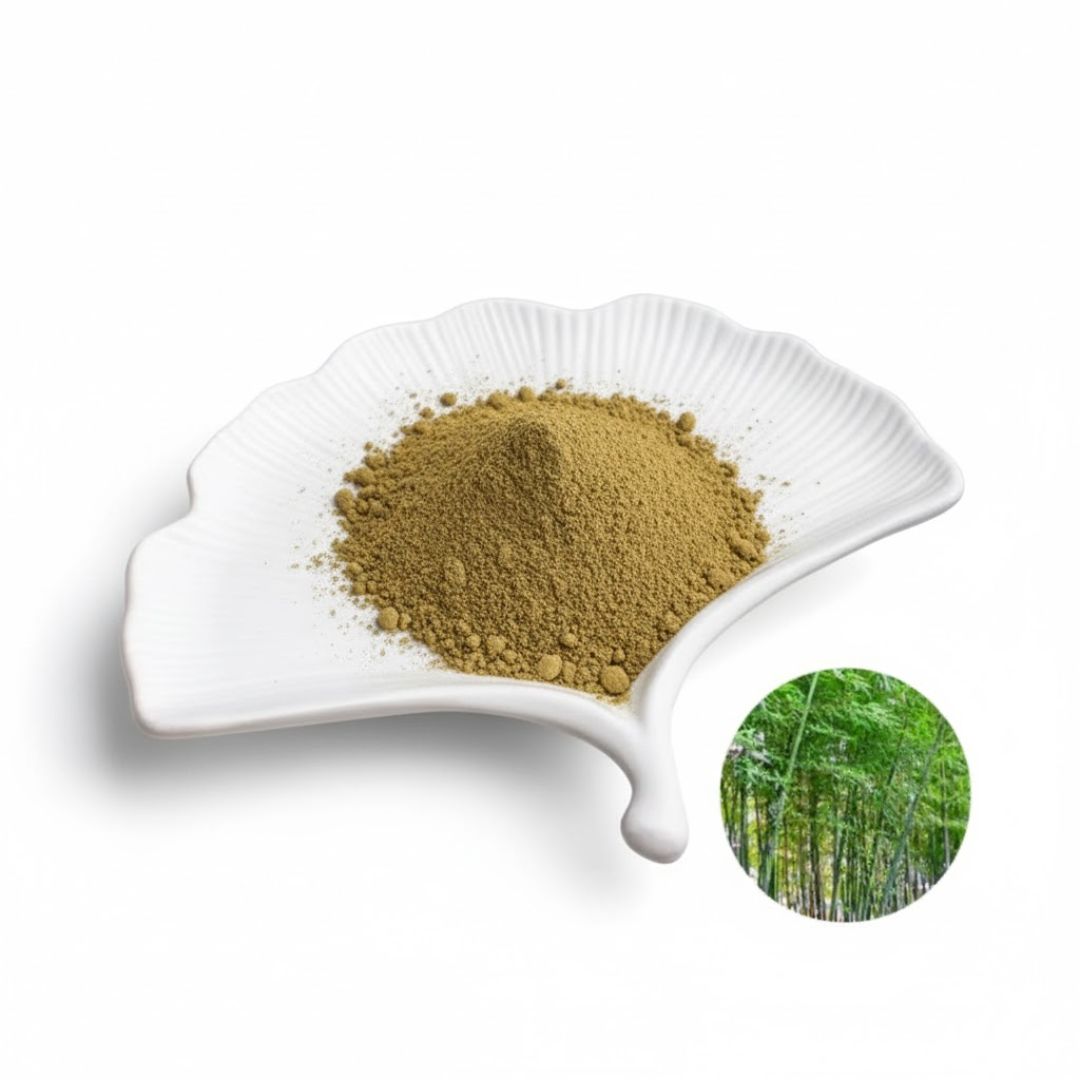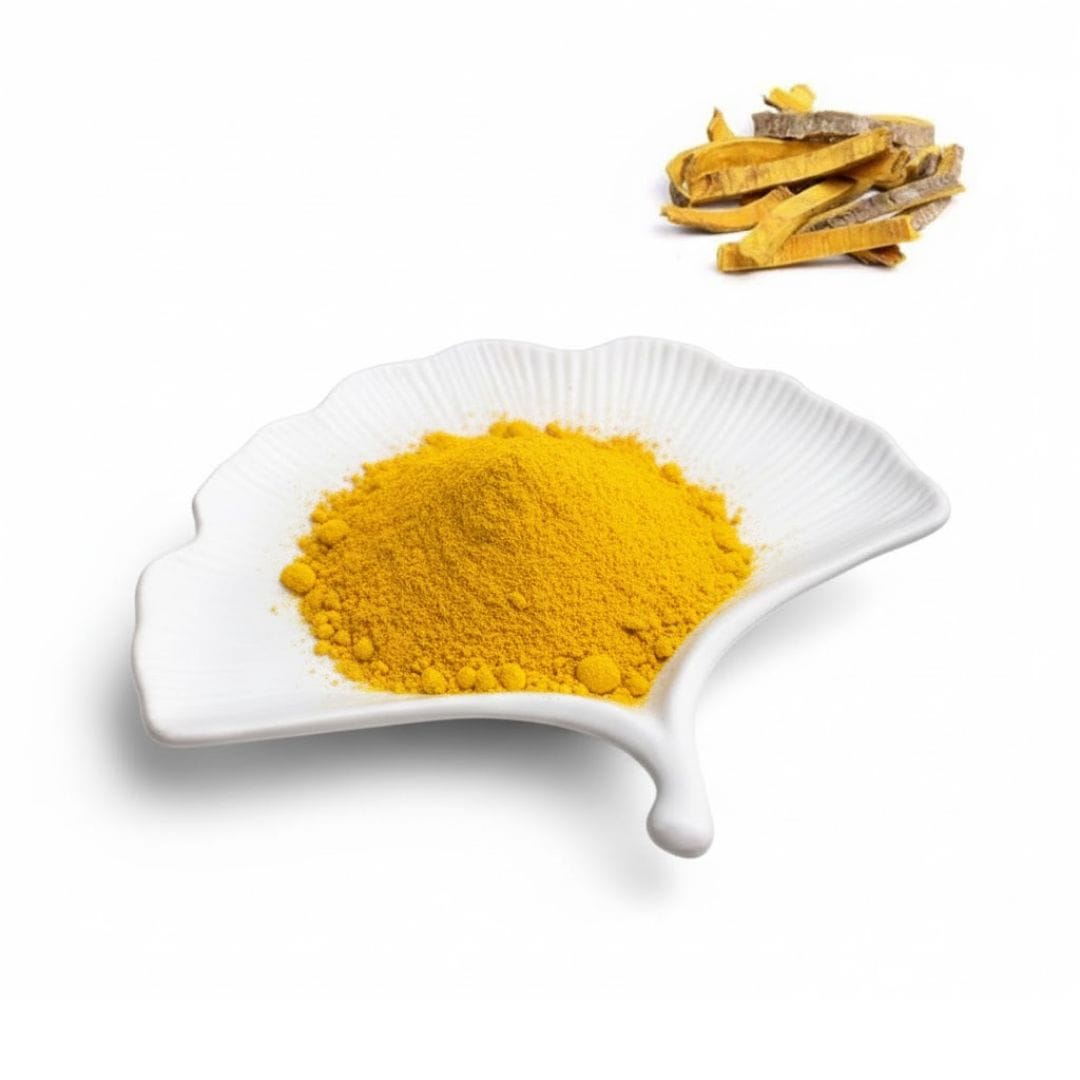
Berberine Hcl powder, also known as berberine hydrochloride, is derived from Rhizoma Coptidis, a traditional Chinese medicine. It is renowned for its ability to strengthen the stomach and alleviate diarrhea. This extract is also effective in treating bacterial gastroenteritis and bacillary dysentery, making it a common remedy for abdominal pain and diarrhea.
Chemically, berberine forms yellow needle-like crystals when precipitated from ether, with a melting point of 145 ℃. It is soluble in water but insoluble in benzene, ether, and chloroform. As a quaternary ammonium alkaloid, its salts exhibit limited water solubility—hydrochloride at 1:500 and sulfate at 1:30. Berberine crystals obtained from water or dilute ethanol contain 5.5 molecules of water; crystallization from chloroform, acetone, or benzene includes solvent molecules. Treating berberine with different bases yields three forms—quaternary ammonium, aldehyde, and alcohol—with the quaternary ammonium being the most stable.
| Item | Specification |
|---|---|
| Assay | ≥97.00% |
| Organoleptic | |
| Appearance | Fine Powder |
| Color | Yellow powder |
| Odor | Smell odourless |
| Taste | It tastes very bitter |
| Physical Characteristics | |
| Particle Size | 100%Through 80 mesh |
| Loss on Drying | ≤12.0% |
| Residue on Ignition | ≤0.2% |
| Jatrorrhizine & Palmatine | ≤ 1.0% |
| Related substance | ≤ 2.0% |
Functions of Berberine Hydrochloride:
- Reduce blood sugar and lipid levels
- Lower blood sugar, treat diabetes
- Improve arrhythmia
- Anti-cancer properties
- Treat cardiovascular disease
Applications of Berberine Hydrochloride:
- Berberine Hcl Powder demonstrates significant antihypertensive effects. Most elderly hypertensive patients experience a normalization of blood pressure due to berberine's direct action on vascular smooth muscle, causing vasodilation.
- Berberine effectively lowers blood sugar and urine sugar levels. Diabetes patients taking 0.4 grams four times daily for 1-3 months can achieve normal blood sugar levels.
- Berberine Hcl Powder enhances coronary blood flow and improves myocardial function, reducing arrhythmia incidence caused by coronary artery infarction.
Where to Buy Berberine Hcl?
Extracts China, a trusted supplier of herbal extract powders and food supplements, dedicates more than 6 years to research, development, production, and sales. Our mission is to provide distinctive, cost-effective, and eco-friendly products. Please contact us for additional details.
Delivery Time:
| Quantity(Kilograms) | 2-1000 | 1000-10000 | > 10000 |
| Est. Time(days) | 3 | 5 | Negotiation |
Frequently Asked Questions and Answers:
Q: Can berberine be taken for a long time?
A: Prolonged use of berberine is not advisable as it may disrupt normal intestinal motility, leading to constipation.
Q: Do I need to adjust my diet while taking berberine?
A: Avoid overeating and unhygienic food when on berberine. Opt for a light diet and drink plenty of warm boiled water to aid digestion.
Q: What are the adverse reactions of berberine?
A: Oral berberine may sometimes cause nausea, vomiting, skin rashes, or drug fever, though these typically resolve after discontinuation.
Q: What if symptoms persist after taking berberine?
A: If vomiting or diarrhea does not improve after three days of berberine use, seek immediate medical attention.
Q: Can berberine be used with other antibacterial drugs?
A: Avoid combining berberine with other antibacterial drugs to minimize adverse reaction risks.
Q: Is berberine effective against viral infections?
A: Berberine inhibits various viruses in vitro, including influenza, hepatitis B, and herpes simplex. However, its antiviral mechanism remains unclear.
Q: Can berberine treat gastric ulcers?
A: By inhibiting gastric acid secretion, protecting the gastric mucosa, and promoting ulcer healing, berberine effectively treats gastritis and Helicobacter pylori-related gastric and duodenal ulcers.
Q: What if I miss a berberine dose?
A: Take the missed dose as soon as remembered, unless it’s near the next scheduled dose. Resume the normal dosage schedule thereafter.
Q: Are there specific instructions for taking berberine?
A: Berberine can be taken before or after meals.
Q: Does berberine affect other drug’s absorption?
A: Berberine may interact with other medications, impacting their absorption or efficacy. Consult a physician or pharmacist before combining medications.