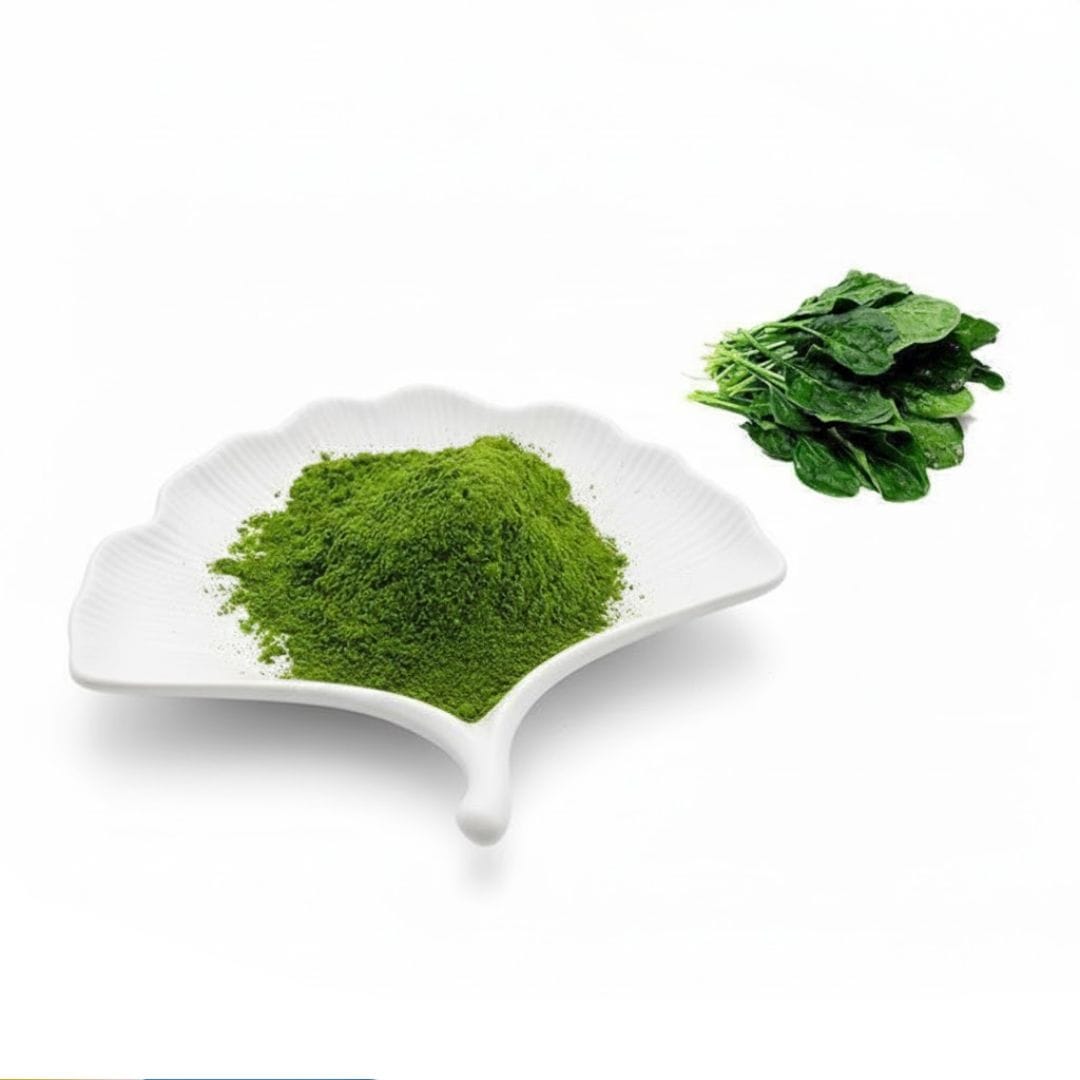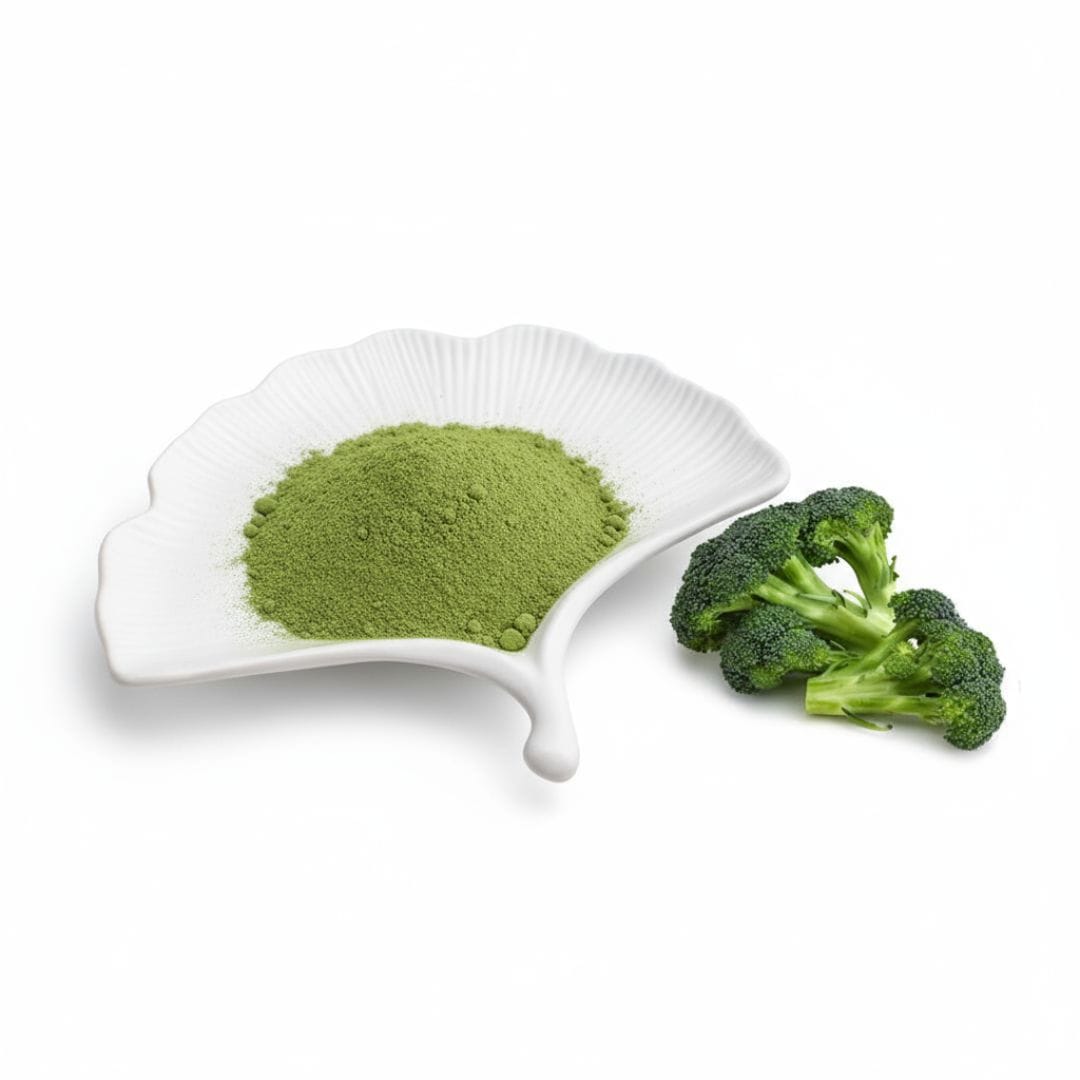
What is Amaranth Leaf Powder?
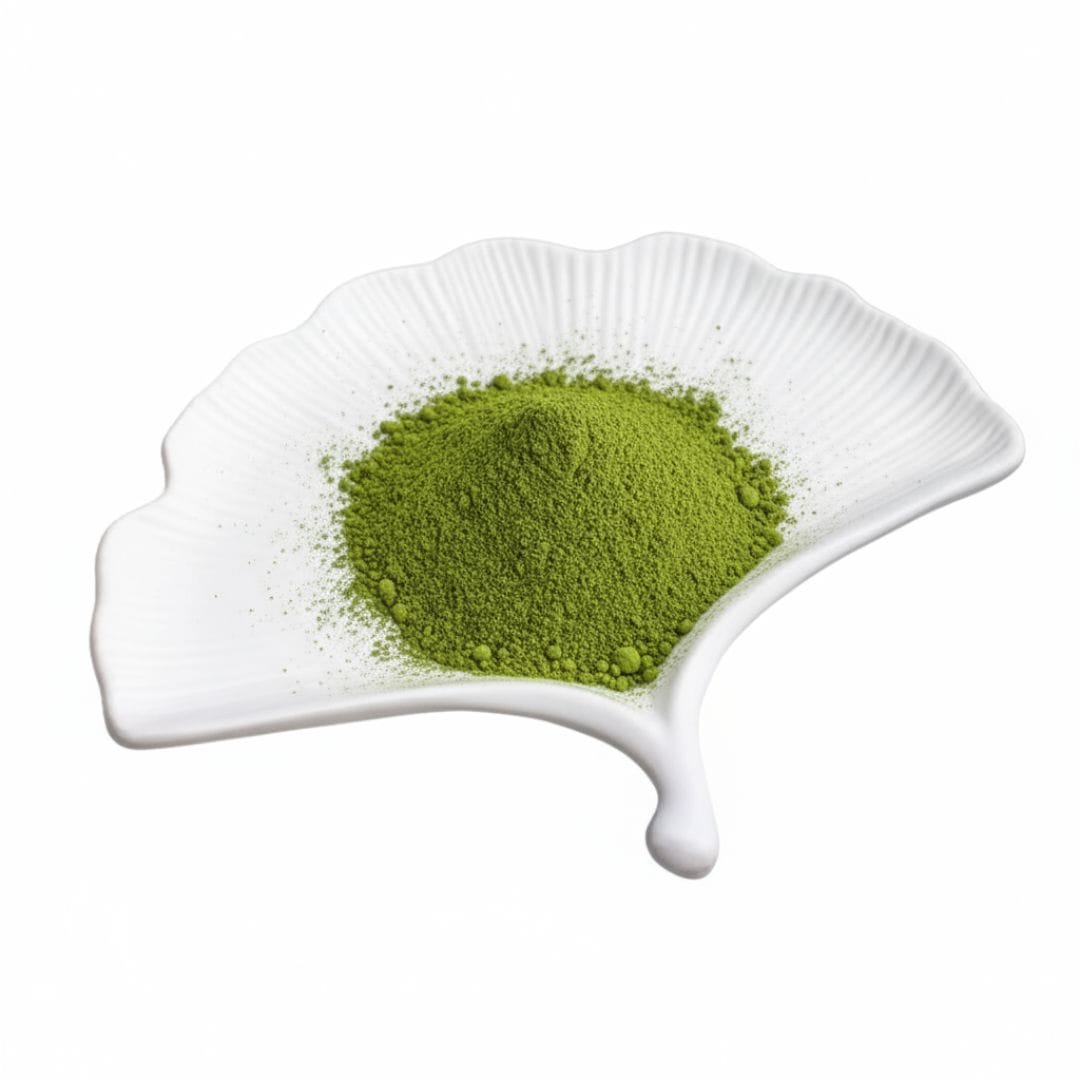
Amaranth Leaf Powder, derived from the leaves of the amaranth plant (Amaranthus species), is a versatile and nutritious food ingredient.
WHY CHOOSE US
Reliable Product Quality
We ensure the product quality by having our own raw material planting base, which helps us to guarantee a safe supply and long-term assurance of high-quality raw material quality.
Highly Skilled Technical Team
We employ a professional staff of natural product chemists, pharmacognosists, microbiologists, and herbalists. Whether you are looking for organic extracts, plant extracts, essential oils, or organic herbal extracts, we are the one-stop destination for premium quality.
Advance Equipment
We own the 800 square meters GMP factory and the inspection center equipped with more than 10 sets of HPLC, GC, IR, MASS instruments. All the testings are conducted by experienced laboratory staff to ensure our products are qualified before shipping.
Process Report Throughout
We are an ISO 9001, HACCP, KOSHER Halal and food production license certified company. We adhere to world-class standards and ensure you are getting the best extracts. The traceability, production processes, regulatory affairs, etc. are executed strictly to ensure consistent quality and stable compounds.
Amaranth Leaf Powder
Dioscin Powder
Icaritin Powder
Taxifolin Powder
Xanthohumol Powder
Konjac Root Glucomannan Powder
Ashwagandha Root Extract Powder
Parthenolide Powder
Bamboo Leaf Flavonoids Powder
NUTRITION VALUE OF AMARANTH LEAF POWDER
The nutrition value of amaranth powder is quite impressive, as it contains a range of essential vitamins, minerals, and other beneficial compounds. Here's an overview of the nutritional content typically found in the powder:
Vitamins:
The powder is rich in vitamins, particularly vitamin A, vitamin C, and vitamin K. These vitamins play vital roles in supporting immune function, skin health, blood clotting, and overall well-being.
Minerals:
It is also a good source of important minerals such as calcium, iron, magnesium, and potassium. These minerals are essential for bone health, muscle function, and overall body metabolism.
Protein:
Amaranth powder contains a notable amount of protein, which is important for muscle repair and growth, as well as various cellular functions in the body.
Dietary Fiber:
It is a good source of dietary fiber, which supports digestive health and can aid in maintaining healthy cholesterol levels.
Antioxidants:
The powder is packed with antioxidants, including flavonoids and polyphenols, which help to combat oxidative stress and reduce the risk of chronic diseases.
Other Nutrients:
Additionally, it may contain other beneficial nutrients such as folate, niacin, and riboflavin, which are important for various metabolic processes in the body.
AMARANTH FLOUR AND ITS USES
Amaranth flour, derived from the ground seeds of the amaranth plant, is a gluten-free alternative to traditional wheat flour. It boasts a rich, nutty flavor and a high protein content, making it a nutritious substitute.
Typical applications of amaranth flour include:
Baking:
Amaranth flour is ideal for various baked goods. It is often mixed with other flours to enhance the texture and nutritional value of breads, muffins, pancakes, and cookies.
Thickening Agent:
It serves as a thickener in soups, sauces, and stews, imparting a subtle flavor while enriching the dish's nutritional profile.
Binding Ingredient:
Amaranth flour acts as a binder in recipes like veggie burgers or fritters, ensuring the ingredients cohere.
Coating:
Employed as a coating for fried foods, it yields a crispy texture upon cooking.
Energy Bars and Snacks:
When added to homemade energy bars and snacks, amaranth flour contributes an additional boost of protein and fiber.
Porridge:
Ground amaranth can be simmered into porridge, offering a warm and nutritious start to the day.
For those on a gluten-free diet or in search of a nutrient-rich flour, amaranth flour is an excellent choice, having essential amino acids, fiber, iron, magnesium, and calcium, promoting overall health and wellness.
PROPERTIES AND INGREDIENTS OF AMARANTH LEAF EXTRACT
Amaranth extract is one of the few plant sources that contains squalene. The Oxystorm® Amaranth extract contains particularly high levels of nitrate (9-10%) and potassium (8-14%). These two substances increase blood flow and optimize the supply of oxygen.
Other ingredients, amino acids (proteins), polyphenols, and fiber. It does not contain sugar or oxalates. It has a high bioavailability and is a natural free radical scavenger.
Support of regeneration - Supports the removal of metabolic products, which can lead to improved muscle relaxation and recovery after training, e.g. in the gym or football.
Improvement of energy metabolism - Increases the proportion of nitrates in the body, which can improve energy metabolism - the dietary supplement promotes blood circulation and prevents signs of fatigue.
Regeneration and muscle building - Rich in protein, amaranth is important for the regeneration phase after exercise and muscle building, it is rich in amino acids - increases performance.
Sustained presence of nitric oxide (NO) - Has a blood circulation-promoting effect on the vessels.
Biohacking - The increase in NO leads, among other things, to a reduction in blood pressure at rest, better blood circulation and resilience, and an increase in performance during physical activity.
Amaranth Leaf Extract Protects Against Hydrogen Peroxide Induced Oxidative Stress In Drosophila Melanogaster
Oxidative stress refers to an imbalance arising due to excess production of free radicals and reduced activity of antioxidants. Free radicals are atoms or molecules that contain unpaired electrons and react with other molecules by taking or giving electrons. They can be products of normal cellular metabolism or environmental stressors and have been implicated in the pathogenesis of many diseases.
Antioxidant compounds neutralize harmful effects of free radicals by either preventing their formation or removing them before they can cause damage to cellular structures. Consumption of fruits and vegetables has been linked to reduction in the incidence of oxidative-stress related diseases such as; cancer, diabetes, neurodegenerative diseases, inflammation as well as cell and cutaneous aging issues. Determination of the in vivo antioxidant activity of fruits and vegetables provides a scientific basis to justify the hypothesis that consumption of these plant species offers protection against oxidative-stress related diseases.
Amaranths, the generic name by which the vegetables of the genus Amaranthus are referred to are widely distributed short-lived herbs that occur in temperate and tropical regions. The Amaranthus species is one of the few plants from which leaves are eaten as a vegetable while the seeds are eaten as cereals. The in vitro antioxidant activity of Amaranths leaves has been well documented and attributed to both vitamin C and polyphenol compounds found in extracts. The specific objective of this work was to evaluate the in vivo protective activity of Amaranths against hydrogen peroxide induced oxidative stress in male Drosophila melanogaster. Male W1118 (white) strain flies have been chosen as they are more susceptible to oxidative stress and hence the consumption of Amaranth leaves is likely to rescue the lethality of hydrogen peroxide.
Preparation of experimental food
To prepare the fly food with Amaranth and ascorbic acid, 0.25 mg and 0.5 mg of Amaranth extract and ascorbic acid were each dissolved in 10mls of distilled water to obtain a concentration of 2.5 mg/ml and 5 mg/ml respectively. Each was separately added to 490mls of molten fly food and mixed thoroughly to obtain a mixture with Amaranth extract and Ascorbic acid each at a concentration of 0.05 mg/ml and 0.1 mg/ml. These mixtures were then poured in labeled vials and left to cool. The food was covered with cotton balls and stored at 4 ℃.
In vitro antioxidant activity
The in vitro antioxidant activity of the Amaranth leaf extract was determined using the 2, 2-diphenyl-1-picrylhydrazyl (DPPH) radical scavenging assay.
Flies and fly handling
They were fed on cornmeal-yeast-agar medium and maintained at 25 ℃ under a 12/12 h light and dark cycle in a digital fly incubator. From the stock population, virgin females and young males were placed on fresh food and allowed to mate. Fresh eggs were collected, and dated to ensure that the dates of birth are synchronized for all flies. From these, 450 male adult flies were collected and divided into 3 groups to be fed on: normal food (NF), Amaranth extract, and ascorbic acid (ASA) groups. The NF (90 flies) was fed on the standard cornmeal diet, the Amaranth group (180 flies) fed on the Amaranth-fly food mixture and ASA group (180 flies) on ASA-fly food mixture. To determine the in vivo antioxidant activity, catalase enzyme activity and resistance to oxidative stress, groups of Drosophila flies were fed on the respective diets for 5 days.
Determination of in vivo antioxidant activity
Ten flies each from the NF, Amaranth and ASA groups were separately anaesthetized on ice and homogenized in 100 µl of cold 0.05% phosphate buffered saline tween (PBST) solution (pH 7.4). The homogenate was centrifuged at 4000 g for 10 min and the supernatant collected and used for the determination of 2, 2-diphenyl-1-picrylhydrazyl radical (DPPH) scavenging activity. DPPH scavenging activity was determined as previously described. Briefly, 50 μl of the fly homogenate was added to 5 mls of 0.004% methanol solution of DPPH. This mixture was incubated in the dark at room temperature for 30 min. The absorbance of the mixture was then read at 517 nm against a DPPH blank. The assay was carried out in triplicate and percentage of inhibition was calculated using the formula: where AB = Absorbance of blank; AA = Absorbance of test.
Determination of resistance to hydrogen peroxide induced oxidative stress
The resistance to hydrogen peroxide-induced oxidative stress was conducted as previously described with minor modifications. Briefly, ten fruit flies from each of the NF, Amaranth and ASA groups were transferred to empty vials after 5 days of feeding. The flies were starved for 6 h to stimulate the uptake of hydrogen peroxide. Afterwards, the flies were transferred to vials containing only filter paper soaked with 1% hydrogen peroxide in 5% sucrose solution. The soaked filter paper was changed daily and flies alive/dead were recorded every day until the last one died.
Catalase enzyme activity
The assay was carried out on Drosophila flies fed on the NF, Amaranth and ASA food for five days. Ten flies per group anaesthetized by chilling on ice were homogenized in ice cold phosphate buffer saline (pH 7.4) at a weight: buffer ratio of 1:10 and centrifuged at 2500 rpm for 10 min. The resulting supernatant was collected and used for the catalase assay. The catalase activity was measured as previously described.
Statistical analysis
Data of DPPH scavenging and catalase activities were analyzed using factorial analysis of variance (ANOVA) followed by a Tukey's multiple comparison test. Oxidative stress resistance was determined using Kaplan–Meier survival analysis with significance set at P < 0.05.
FACTORY EQUIPMENT
We own the 800 square meters GMP factory and the inspection center equipped with more than 10 sets of HPLC, GC, IR, MASS instruments.
OUR CERTIFICATES
Our factory has passed certificates of ISO9001, HACCP, KOSHER Halal and food production license.
FAQ
Q: What is Amaranth Leaf Powder?
A: Amaranth leaf powder is a fine, green powder made by drying and milling the leaves of the amaranth plant. It is rich in vitamins, minerals, and antioxidants.
Q: What are the Nutritional Benefits?
A: It's high in vitamins A, C, and K, as well as iron, calcium, and protein. It also contains dietary fiber and amino acids.
Q: How Can I Use Amaranth Leaf Powder?
A: It can be added to smoothies, soups, stews, and sauces to boost nutritional value. Some also use it as a herbal tea.
Q: Is Amaranth Leaf Powder Gluten-Free?
A: Yes, amaranth is naturally gluten-free, making it safe for those with celiac disease or gluten sensitivity.
Q: Can Amaranth Leaf Powder Help with Health Issues?
A: Amaranth leaf powder may help reduce inflammation, improve heart health, and aid in digestion due to its high fiber content.
Q: Is Amaranth Leaf Powder Safe for Everyone?
A: Generally, yes, but individuals allergic to plants in the amaranth family should avoid it. Consult a healthcare provider before starting any new dietary supplement.
Q: Where Can I Buy Amaranth Leaf Powder?
A: It's available online and in health food stores. Check labels to ensure quality and purity.
Q: How to Store Amaranth Leaf Powder?
A: Store in a cool, dry place away from light to maintain its potency.
Q: Does Amaranth Leaf Powder Have a Shelf Life?
A: Stored properly, it can last up to 1-2 years, though freshness and potency may diminish over time.
Q: Are There Any Side Effects of Amaranth Leaf Powder?
A: Excessive consumption might lead to digestive issues in sensitive individuals. Moderation is key.