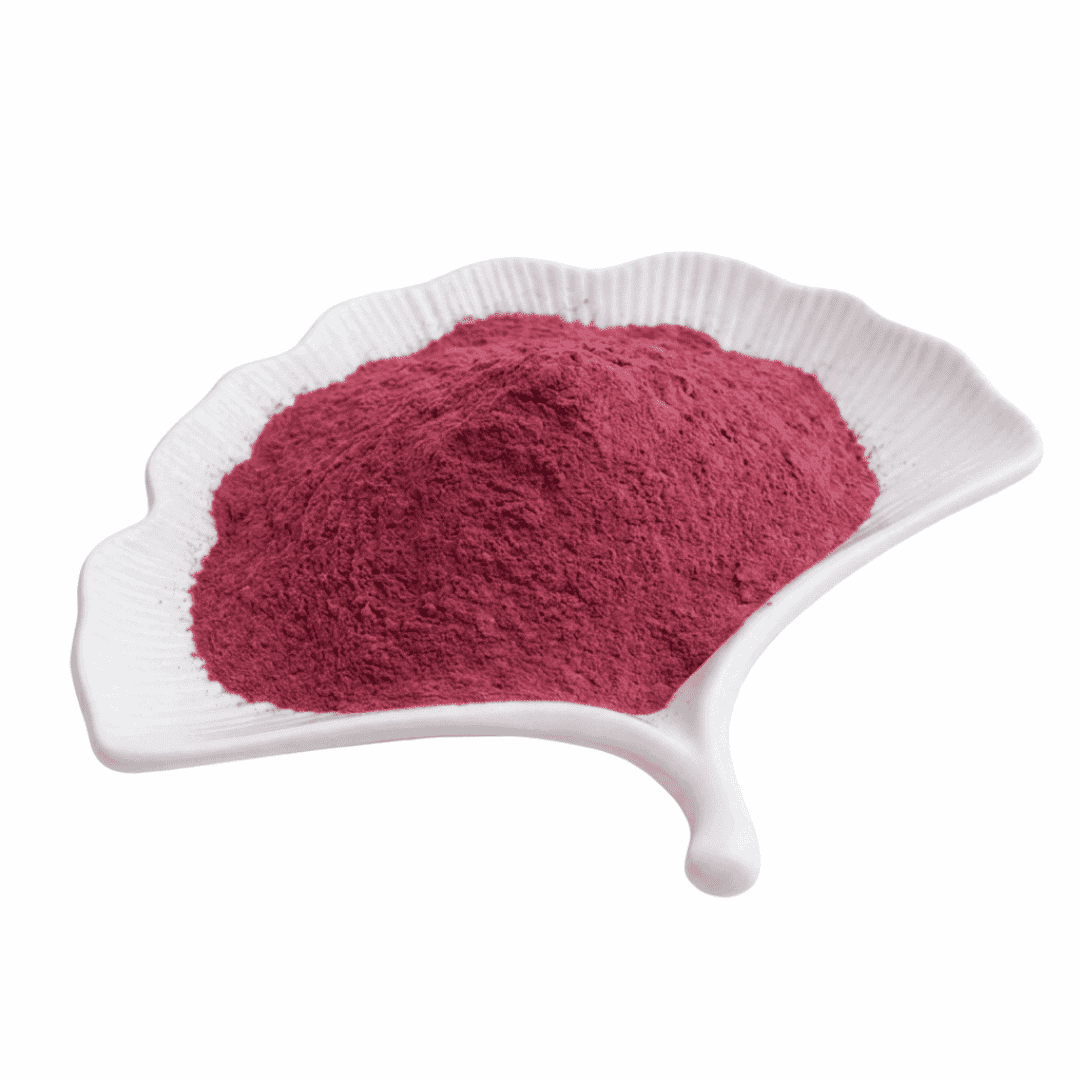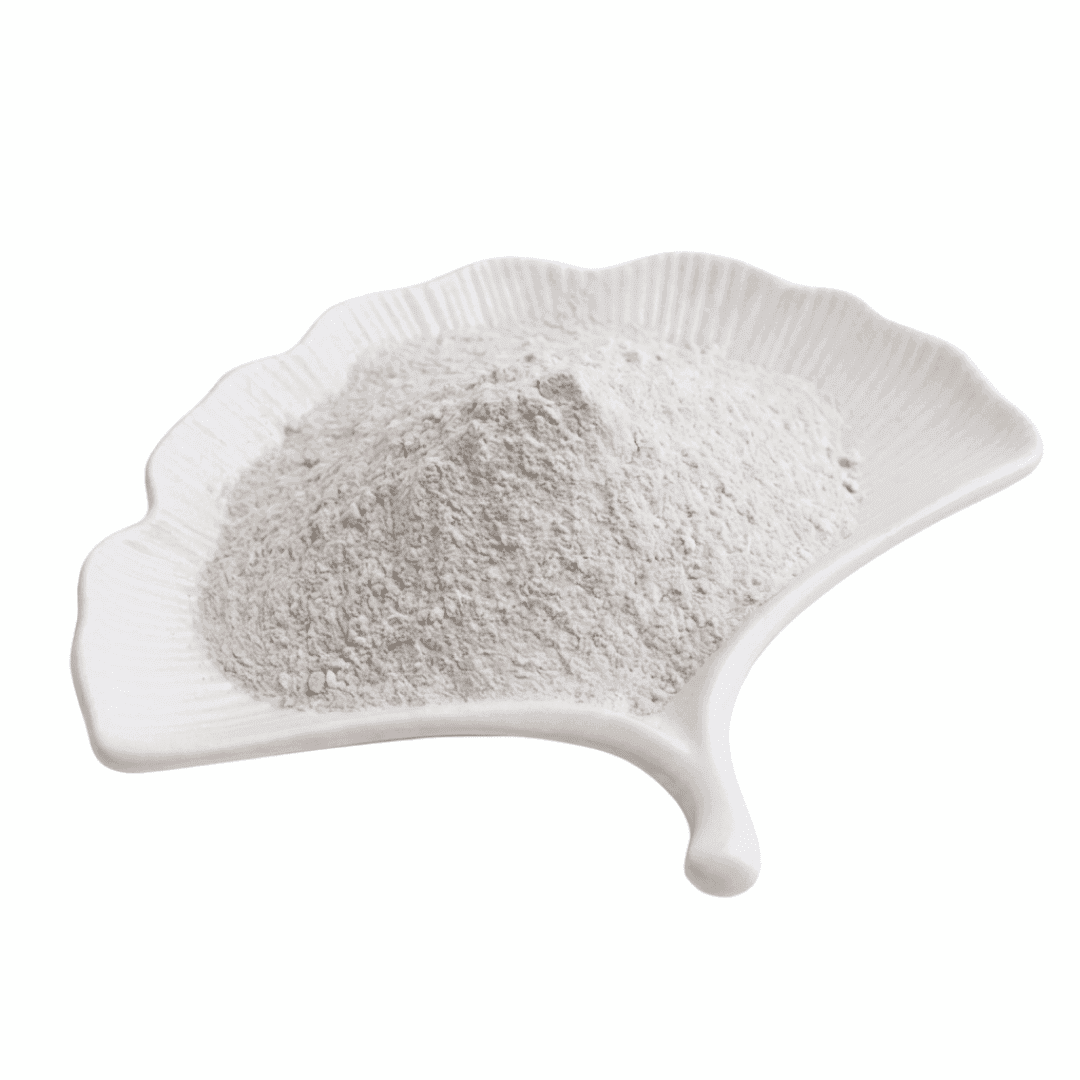
What Is Organic Coconut Water Powder?
Organic Coconut Water Powder is a highly versatile, plant-based nutritional ingredient derived from the dried and finely milled meat of premium organic coconuts. Functioning as a natural byproduct of coconut milk production, this ingredient presents as a white or off-white powder highly prized in the food, beverage, and dietary supplement industries. Because it is inherently gluten-free, Organic Coconut Water Powder serves as an excellent substitute for wheat flour and other grain-based binders in baked goods, making it a staple ingredient for gluten-free, paleo, and keto-friendly product formulations.
Nutritional Profile and Advantages of Organic Coconut Water Powder
Incorporating Organic Coconut Water Powder into commercial formulations offers a multitude of health and functional benefits, making it a preferred choice for dietary supplement manufacturers and food developers.
Gluten-Free and Allergen-Safe
Pure Organic Coconut Water Powder is naturally 100% gluten-free. For B2B manufacturers catering to the celiac and gluten-sensitive market, it provides a reliable alternative. However, as a critical quality assurance measure, formulation experts must verify cross-contamination risks. Premium suppliers ensure that products are manufactured in allergen-controlled facilities, with clear labeling to guarantee safety for gluten-free end-consumers.
High Dietary Fiber Content
Recognized as a high-fiber food ingredient, Organic Coconut Water Powder contains up to 45g of dietary fiber per 100g. Government nutritional guidelines recommend a daily adult intake of 30g of fiber; thus, formulating with just 10g (approximately one tablespoon) of this powder provides over 10% of the recommended daily intake. This makes it an exceptional ingredient for fiber-enriched functional foods and gut health supplements.
Blood Sugar Management
Featuring a low glycemic index (GI) of 51, Organic Coconut Water powder induces a significantly lower blood sugar spike compared to traditional wheat flour, which has a GI of 69. This glycemic control is attributed to its robust profile of healthy fats and dietary fiber, which collectively decelerate the release of sugars into the bloodstream. It is an ideal raw material for low-GI nutritional products.
Cardiovascular Support
The lipid profile of Organic Coconut Water Powder includes medium-chain triglycerides (MCTs). While the scientific community continues to study the comprehensive effects of MCTs on cholesterol, they are widely recognized in the nutraceutical industry for their rapid energy metabolism properties. To align with daily reference intakes (RI) of 70g total fat and 20g saturated fat, supplement formulators can precisely calibrate dosages to support heart health and metabolic function.
Plant-Based Protein Source
For vegan and plant-based nutritional formulations, Organic Coconut Water Powder provides a notable 18g of protein per 100g, outperforming wholemeal flour, which contains roughly 12g per 100g. This makes it a valuable protein contributor in dairy-free, soy-free, and nut-free product lines.
Technical Specifications of Organic Coconut Water Powder
For procurement officers and formulation chemists, understanding the physicochemical properties of bulk raw materials is crucial for ensuring product stability and consistency.
| Parameter | Specification Details |
|---|---|
| Product Name | Organic Coconut Water Powder |
| Source | Organic Coconut (Cocos nucifera) Meat |
| Appearance | Fine white to off-white powder |
| Extraction/Process | Cold-pressed for oil removal, dried, and ultra-fine milled |
| Active Components | High dietary fiber, MCTs, plant proteins |
| Solubility | Highly hydrophilic; absorbs up to 4x its weight in liquid |
| Glycemic Index | 51 (Low GI) |
| Dietary Fiber | Up to 45g per 100g |
| Protein Content | 15.8g - 18g per 100g |
| Carbohydrates | 27.2g per 100g (16.1g sugars) |
| Allergen Status | Gluten-free, nut-free (though cross-sensitivity is rare) |
| Certifications | USDA Organic, ISO 9001, HACCP, Kosher, Halal |
Organic Coconut Water Powder vs. Almond Flour: A Formulation Comparison
Food developers often choose between Organic Coconut Water Powder and almond flour for gluten-free and low-carb baking. Understanding their distinct functional properties is essential for optimal recipe development.
- Absorbency and Hydration: Organic Coconut Water Powder is exceptionally absorbent, capable of absorbing up to four times its weight in liquid. This requires recipe modifications, such as increasing wet ingredients (e.g., adding extra eggs or water) and allowing the batter a resting period to hydrate and thicken properly. Almond flour absorbs liquid similarly to standard white flour, making it a more direct 1:1 substitution in conventional recipes.
- Ingredient Sourcing: Almond flour is produced from blanched, ground almonds. In contrast, Organic Coconut Water Powder is derived from dried coconut meat, offering a nut-free alternative for brands targeting the school-safe and tree-nut allergen-free markets.
- Macronutrient Profile: While both are popular in low-carb baking, almond flour contains approximately 21g of carbohydrates and 50g of fat per 100g. Organic Coconut Water Powder contains about 64g of carbohydrates and 11g of fat per 100g (with slightly more saturated fat in the form of MCTs). Almond flour is notably higher in calcium, whereas coconut powder excels in dietary fiber.
Industry Applications of Organic Coconut Water Powder
Food and Beverage Manufacturing
- Baking Formulations: Ideal for manufacturing gluten-free cake, muffin, bread, and cookie mixes. It can be combined with cocoa powder to add richness. Due to its dryness, commercial formulations require increased egg or hydrocolloid ratios to ensure proper moisture and structural integrity.
- Binding Agent: Acts as an effective natural binder in processed meats, veggie burgers, meatballs, and meatloaf formulations, replacing traditional breadcrumbs.
- Soups and Sauces: Serves as an excellent natural thickening agent for soups, stews, and sauces. Its faint coconut taste enhances curry-based meal kits, though flavor profiling must be considered for creamy, non-curried applications.
Nutraceutical and Dietary Supplements
Widely used in protein powders, fiber supplements, and meal replacement shakes. Its high fiber and protein content, combined with a low glycemic index, make it perfect for weight management and blood sugar support formulations.
Cosmetic and Personal Care Raw Material
- Exfoliating Scrubs: The fine, all-purpose flour-like texture makes it an excellent physical exfoliant for face and body scrubs. Formulators can blend it with sea salt, vegetable oils, and raw honey (for antibacterial properties) to create premium natural skincare products that help reduce redness and soothe residual acne spots.
Why Choose Organic Coconut Water Powder Over Conventional?
Health and Safety Considerations
- Pesticide-Free: Sourced from coconuts cultivated without synthetic pesticides, herbicides, or fertilizers. This guarantees that the final bulk powder is free from harmful chemical residues linked to hormonal disruptions and other health concerns.
- Non-GMO: Organic certification ensures the coconuts are entirely free from genetically modified organisms, meeting the stringent demands of health-conscious consumers.
Nutritional and Sensory Superiority
- Higher Nutrient Density: Organic farming practices, such as crop rotation and natural composting, yield coconuts with richer profiles of fiber, protein, and healthy fats.
- Clean Label: Free from artificial additives, preservatives, and bleaching agents often utilized in conventional processing. It maintains a superior natural taste, aroma, and a finer, more consistent texture for manufacturing.
Environmental and Social Responsibility
- Sustainable Agriculture: Supports farming methods that preserve biodiversity, maintain soil health, and reduce agricultural pollution, helping manufacturers lower their corporate carbon footprint.
- Wildlife Protection: Eliminates the use of harmful pesticides that affect local ecosystems and pollinators.
- Supply Chain Transparency: Organic certification demands rigorous standards and regular inspections, providing B2B buyers with transparent traceability and ethical sourcing assurance.
Manufacturing Process of Organic Coconut Water Powder
The production of premium Organic Coconut Water Powder involves a stringent, quality-controlled process to ensure maximum retention of nutrients and functional properties:
- Raw Material Selection: Mature organic coconuts with hard brown outer shells are carefully selected and cracked open.
- Meat Extraction: The white coconut meat is carefully separated from the shell, ensuring all brown skin and shell remnants are thoroughly removed.
- Drying: The coconut meat is uniformly spread and dried. Using advanced low-temperature drying technology (around 120°C/250°F for a controlled duration), the meat is dehydrated without burning, preserving its nutritional integrity.
- Milling and Grinding: The desiccated coconut is processed in high-powered industrial blenders in controlled batches until it achieves an ultra-fine powder consistency.
- Sifting and Sieving: The powder passes through fine mesh commercial sifters to remove larger particles and residual fibers, guaranteeing a smooth, uniform texture.
- Packaging: The final product is immediately transferred into food-grade, airtight packaging to prevent moisture absorption.
Quality Assurance and Storage Guidelines
Proper Storage Techniques
To maintain the physicochemical stability of Organic Coconut Water Powder, proper storage is imperative:
- Ambient Storage: Store in airtight containers in a cool, dry facility at room temperature. Under these conditions, the powder retains optimal quality for up to 18 months.
- Refrigeration and Freezing: For long-term bulk storage, refrigeration extends shelf life from 6 to 12 months, while freezing can preserve the powder for up to two years. Frozen powder should be thawed overnight in the refrigerator before use.
- Container Selection: Utilize airtight, vacuum-sealed packaging to prevent moisture ingress and insect infestation. Regularly inspect bulk inventory for clumping or unusual odors.
Safety and Freshness Indicators
Procurement teams should verify quality through:
- Appearance: Fresh powder is light cream/white. Darkening indicates aging or improper storage.
- Aroma: Should possess a pleasant, nutty scent. Rancid or off-odors indicate spoilage.
- Texture: Must be dry and fine. Any wet clumping signals moisture contamination.
- Taste: Fresh powder has a light, sweet, nutty flavor; bitterness indicates rancidity.
Why Choose Extracts China as Your Supplier?
At Extracts China, we are dedicated to supplying premium, clean-label food supplement and effective cosmetic raw materials. Backed by a highly skilled technical team of natural product chemists, pharmacognosists, and microbiologists, we have been a trusted partner in research, development, production, and global sales for over 5 years.
- Reliable Product Quality: We maintain our own organic raw material planting base, ensuring a secure supply chain and consistent high-quality raw materials.
- Advanced Manufacturing Facilities: We operate an 800-square-meter GMP-certified factory. Our inspection center is equipped with over 10 sets of HPLC, GC, IR, and Mass spectrometry instruments. All testing is conducted by experienced laboratory staff to guarantee product qualification before shipping.
- Comprehensive Process Reporting: As an ISO 9001, HACCP, Kosher, Halal, and food production license certified company, we conform to world-class standards. Our traceability, production processes, and regulatory affairs are executed strictly to ensure consistent quality and stable compounds.
- One-Stop Ingredient Sourcing: We supply high-purity herbal extract powders, AD/SD/FD juice and vegetable powders, plant-based protein powders, 100% water-soluble peptides, natural pigments, sweeteners, and qualified chemical ingredients.
Frequently Asked Questions (FAQ)
Q: How is Organic Coconut Water Powder manufactured?
A: It is made from dried coconut meat/kernel. The meat is cold-pressed to extract the oil. The remaining "white cake" is pulverized, dried, and ground into an ultra-fine powder.
Q: Is Organic Coconut Water Powder gluten-free?
A: Yes, it is 100% gluten-free, making it suitable for celiac-friendly formulations and a direct substitute for wheat flour in baking.
Q: How does this powder function in baking formulations?
A: Due to its high fiber content, it is highly absorbent. It is not a 1:1 swap for regular flour. We recommend using 1/4 to 1/3 cup of coconut powder per 1 cup of regular flour, increasing the number of eggs, and allowing the batter to rest to absorb moisture.
Q: What is the carbohydrate and protein content?
A: Our Organic Coconut Water Powder contains 27.2g of carbohydrates (16.1g of which are sugars) and 15.8g of protein per 100g.
Q: Does it contain gluten or grains?
A: It is completely grain-free, making it highly suitable for paleo diet products.
Q: How should the bulk powder be stored?
A: Store in a clean, dry, and airtight container. Refrigeration or freezing helps retain nutrients and extends shelf life. Coconut flour bread products should similarly be stored in airtight containers in the fridge.
Q: What is the secret to preventing baked goods from becoming gummy?
A: Because it lacks gluten, it doesn't have the natural cake-like structure of wheat flour. Using eggs as a binder is essential to provide a sound protein structure in baked goods made with coconut powder.
Q: Is it suitable for daily consumption in supplements?
A: Yes, it is derived from natural sources and contains a high amount of antioxidants and fiber. Consuming a daily teaspoon (in supplement form) can maximize its digestive and metabolic benefits.
Q: How does it compare to almond flour nutritionally?
A: Almond flour is lower in carbohydrates and higher in fats, while Organic Coconut Water Powder is higher in fiber and a great source of medium-chain triglycerides (MCTs).